



Biodentine Box of 5
- Free shipping on most orders over $100*
- Easy 30 day return policy†
- Order before 2:00pm for same day shipping‡
Indications: In the crown: Temporary enamel restoration Permanent dentin restoration Deep or large carious lesions Deep cervical or radicular lesions Pulp capping Pulpotomy Reversible Pulpitis Irreversible Pulpitis ( If Hemostasis Can be Achieved – See Brochures) In the root: Root and furcation perforations Internal/external resorptions Apexification Retrograde surgical filling Biodentine™ was developed by Septodont’s Research Group as a new class of dental material which could conciliate high mechanical properties with excellent biocompatibility, as well as a bioactive behavior. Several years of active and collaborative research between Septodont and several universities led to a new calcium-silicate based formulation, which is suitable as a dentine replacement material whenever original dentine is damaged. In addition to the chemical composition based on the Ca3SiO5 – water chemistry which brings the high biocompatibility of already known endodontic repair cements (MTA based), Septodont increased the physico-chemical properties (short setting time, high mechanical strength) which make Biodentine clinically easy to handle and compatible, not only with classical endodontic procedures, but also for restorative clinical cases of dentine replacement. Features & Benefits: Sets in 10 – 12 minutes Versatile usage: -endodontic repair and restorative procedures. -Natural micro mechanical anchorage for excellent sealing properties without surface preparation. -Similar mechanical properties and mechanical behavior as human dentin. -3.5mm Aluminum radiopacity for easy short and long term follow-up. • Biodentine™ consistency is better suited to the clinical use than MTA’s. • Biodentine™ presentation ensures a better handling and safety than MTA. • Biodentine™ does not require a two step obturation as in the case of MTA. As the setting is faster, there is a lower risk of bacterial contamination than with MTA. Adding to its ability to be used as dentine substitute, Biodentine™ could safely be used for each indication where dentine is damaged. Managing carious pulp exposure: -For class II capping of deep carious lesions an enhanced protocol should be used; including magnification, a disinfection irrigant and the application of a hydraulic calcium silicate cement.-Full pulpotomy may be successful using an aseptic technique in cases where there is partial irreversible pulpitis in the coronal pulp. Ordering Information: – Box of 5 Capsules 5 Liquid Pipettes Accessories Categories: Dental, Dental Material, Endodontics, Restorative Brand: Septodont
Related products
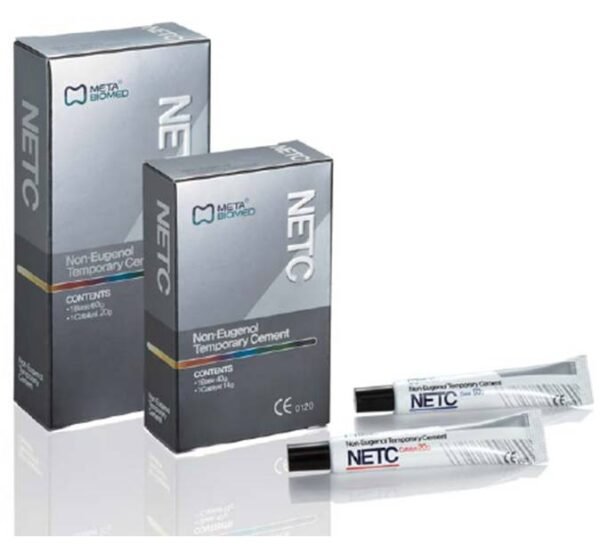
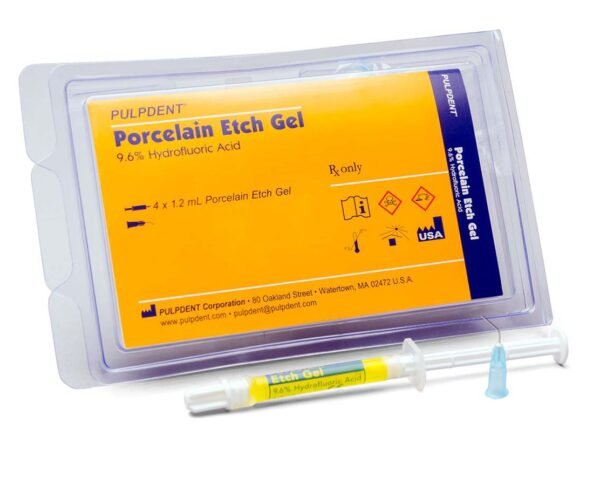 Select options This product has multiple variants. The options may be chosen on the product page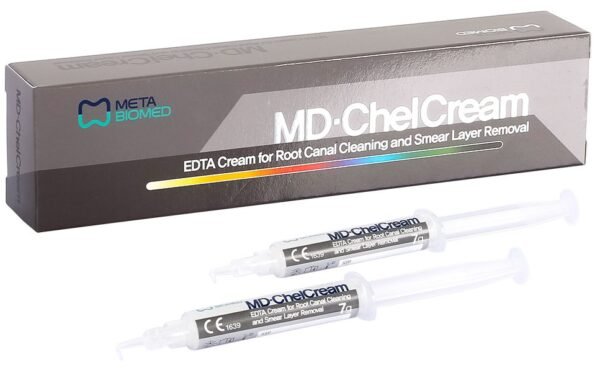
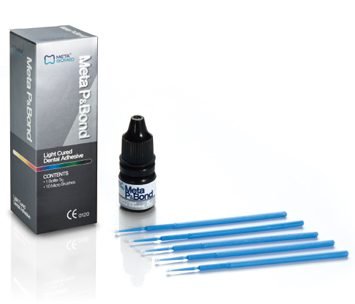 Select options This product has multiple variants. The options may be chosen on the product page